

There’s an undeniable magic in food prepared over an open flame. It speaks to something ancient within us, promising depth of flavour, tantalising aromas, and a truly memorable dining experience. From the earliest campfires to the sophisticated kitchens of today, humanity has been drawn to the transformative power of fire in cooking. It’s a method that strips away complexity, focusing on the purity of ingredients and the elemental force that coaxes out their very best. As the culinary world increasingly embraces traditional methods with modern flair, the open fire cooking restaurant has emerged as a must-visit destination for food enthusiasts across the United Kingdom and beyond.
These establishments are more than just places to eat; they are theatres of flavour, where skilled chefs orchestrate a symphony of heat, smoke, and raw ingredients. They offer a dining experience that engages all the senses, creating a connection between diner, food, and the fundamental act of creation. This article will guide you through the captivating world of open fire cooking, exploring what makes these establishments so special and highlighting some of the best places to experience this primal yet sophisticated culinary art. We’ll delve into the profound appeal of fire, the meticulous craft involved, and what truly sets an exceptional open fire restaurant apart from the rest, inviting you to discover the rich, smoky nuances that only a flame can impart.

The Primal Appeal: Why Open Fire Cooking Captivates Our Senses
The allure of cooking over fire is deeply ingrained in our collective consciousness. It harks back to a time when fire was not just a tool for sustenance but a focal point for community, warmth, and storytelling. When we step into a cooking over fire restaurant, we’re not just ordering a meal; we’re participating in a ritual that transcends mere hunger, tapping into something profoundly human and authentic.
The Unique Flavour Profile: Smoke, Char, and Caramelisation
One of the most compelling reasons for the enduring popularity of open fire cooking is the unparalleled flavour it imparts. Unlike conventional oven or stovetop methods, cooking over an open flame introduces a complex array of tastes and aromas that are simply impossible to replicate. The direct heat causes rapid caramelisation on the surface of food, creating a beautiful, savoury crust – think of the rich, dark exterior of a perfectly grilled steak or the blistered skin of a roasted pepper. This is the Maillard reaction in full effect, a chemical process between amino acids and reducing sugars that produces hundreds of flavour compounds, intensified by the intense, dry heat of the fire.
Beyond caramelisation, smoke plays a starring role. As wood or charcoal burns, it releases aromatic compounds that infuse the food, adding layers of depth and complexity. The type of wood used significantly influences this flavour profile, from the sweet, subtle notes of fruitwoods like apple or cherry to the robust, earthy character of oak or hickory. This smoky essence isn’t just a surface flavour; it penetrates the food, creating a truly immersive taste experience. A perfectly cooked piece of fish, for instance, might carry a delicate whisper of smoke that complements its natural sweetness, while a slow-roasted cut of meat can absorb a more pronounced, lingering smokiness that defines its character. This is one of the key benefits of open flame cooking in restaurants – the ability to create such distinct and memorable flavours.
A Multisensory Feast: Beyond Just Taste
The appeal of open fire cooking extends far beyond the palate. It’s a holistic sensory experience that begins the moment you approach the restaurant. The sight of flickering flames, often visible from an open kitchen, is mesmerising. It’s a dynamic, living element that draws the eye and promises excitement. The glowing embers, the dancing heat haze, and the skilled movements of the chefs as they tend to the fire create a captivating spectacle.
Then there are the sounds: the gentle crackle of burning wood, the aggressive sizzle as ingredients hit the hot grill, the rhythmic turning of a rotisserie. These auditory cues build anticipation, signalling that something delicious is being prepared with care and precision. And, of course, the smell. The rich, earthy aroma of wood smoke mingling with the scent of searing meat, roasting vegetables, and perhaps even a hint of herbs thrown onto the coals, creates an intoxicating perfume that stimulates the appetite long before the food arrives at the table. This olfactory experience is incredibly powerful, often evoking memories of barbecues, holidays, and shared meals, forging an immediate emotional connection with the dining experience.
Consider the texture too. The crisp char on a vegetable, the tender interior of a piece of meat, the slight chewiness of a crusty bread – these are all hallmarks of fire cooking. The intense heat creates a distinct textural contrast that adds another dimension to the meal. For example, imagine the delightful crunch of a perfectly grilled prawn, followed by its succulent, sweet interior. You might even find dishes like Skillet Prawns on the menu, showcasing how fire can transform simple ingredients into something extraordinary.
Connecting to Authenticity and Community
In an increasingly digital and often sterile world, open fire cooking offers a refreshing return to authenticity. It’s a method that feels honest, transparent, and deeply connected to the origins of food preparation. Diners often feel a greater connection to their meal when they can see the raw ingredients being transformed by the elemental force of fire. This transparency builds trust and appreciation for the craft involved.
Furthermore, fire has always been a gathering point. From ancient hearths to modern outdoor grills, it fosters a sense of community and shared experience. A cooking over fire restaurant often replicates this, creating a warm, inviting atmosphere where conversations flow as freely as the smoke from the grill. It’s a place where people come together to share not just food, but an experience that feels both ancient and utterly contemporary. This communal aspect is another significant benefit of open flame cooking in restaurants, making the meal feel like an event rather than just a transaction.
Defining Excellence: What Makes a Standout Cooking Over Fire Restaurant?
While the concept of cooking over fire is inherently appealing, not all fire-cooked food is created equal. The difference between a good meal and an exceptional one in a cooking over fire restaurant lies in a multitude of factors, from the quality of ingredients to the mastery of the chefs and the very fuel they choose. It’s a delicate balance of art and science, tradition and innovation.
Ingredient Sourcing: The Foundation of Flavour
The journey to an outstanding fire-cooked dish begins long before the flames are lit. It starts with impeccable ingredient sourcing. The intense heat of an open flame has a remarkable ability to amplify the natural flavours of food. This means that any imperfections or lack of quality in the raw ingredients will be equally amplified. Therefore, the finest open fire restaurants prioritise fresh, seasonal, and often locally sourced produce, meat, and seafood.
Chefs at these establishments often work directly with farmers, fishermen, and artisanal producers, ensuring that everything from the cut of beef to the variety of vegetable is of the highest standard. For example, a heritage breed pork chop, with its superior marbling and flavour, will taste infinitely better when kissed by fire than a mass-produced cut. Similarly, ripe, in-season vegetables like asparagus or bell peppers develop a sweetness and char that is simply unparalleled. This commitment to quality ingredients is paramount, as the fire acts as a magnifying glass, revealing the true essence of what’s being cooked.
Chef Expertise: The Maestros of the Flame
Operating an open fire kitchen requires a unique set of skills that go beyond traditional culinary training. A chef who truly excels in this domain is often referred to as a ‘grill master’ or ‘fire whisperer’ for good reason. They possess an intuitive understanding of heat, flame, and smoke, constantly adjusting to the dynamic nature of the fire. This expertise encompasses several critical areas:
- Heat Management: Unlike a conventional oven with precise temperature controls, an open fire is a living entity. Chefs must master the art of creating different heat zones – searing hot for quick cooking, medium for roasting, and cooler areas for gentle smoking or resting. This involves manipulating the coals, adding wood, and adjusting the distance of the food from the heat source.
- Timing and Precision: Cooking over fire demands impeccable timing. A moment too long and food can become dry or burnt; a moment too short and it remains undercooked. The chef must know exactly when to turn, when to move, and when to remove food from the heat, often relying on sight, smell, and touch rather than timers.
- Seasoning and Flavour Pairing: While fire adds immense flavour, skilled chefs understand how to complement and enhance it with appropriate seasoning. They know which herbs, spices, marinades, or brines will work in harmony with the smoky notes, rather than being overpowered by them.
- Understanding Different Techniques: A truly versatile fire kitchen employs a range of techniques. This might include direct grilling for quick searing, indirect cooking for larger cuts, rotisserie for even roasting, plancha cooking for delicate items, or even cooking directly on embers for a unique char. The ability to seamlessly switch between these methods, often simultaneously, is a hallmark of a master.
The expertise of the chef is arguably the most significant factor in transforming raw ingredients and a simple flame into an unforgettable meal. Their passion and dedication are palpable in every dish.
Wood Selection: The Secret Ingredient
Just as a sommelier selects the perfect wine, a skilled fire chef carefully chooses the wood that will fuel their flames. The type of wood used is not merely for heat; it is a fundamental flavouring agent, contributing distinct aromatic compounds to the food. This is a crucial element for the best wood-fired restaurants near me, as it directly impacts the final taste profile.
- Oak: A classic choice, oak provides a strong, earthy, and slightly smoky flavour that pairs wonderfully with red meats, poultry, and hearty vegetables.
- Hickory: Known for its robust, bacon-like flavour, hickory is excellent for pork, beef, and game. It imparts a more assertive smokiness.
- Fruitwoods (Apple, Cherry, Peach): These woods offer a sweeter, milder, and more delicate smoke, making them ideal for poultry, fish, and lighter meats. They can also add a beautiful hue to the food.
- Mesquite: A very strong, pungent smoke, mesquite is often used sparingly or for specific dishes where its intense flavour is desired, such as Texan barbecue.
- Ash: A clean-burning wood with a subtle, mild flavour, suitable for a wide range of ingredients without overpowering them.
The choice of wood is often a signature of the restaurant, reflecting the chef’s philosophy and the desired flavour profile of their menu. Some restaurants might even blend different woods to achieve a more nuanced smoke. This meticulous attention to detail in wood selection is a clear indicator of a standout cooking over fire restaurant.
Mastery of Open-Fire Techniques and Menu Innovation
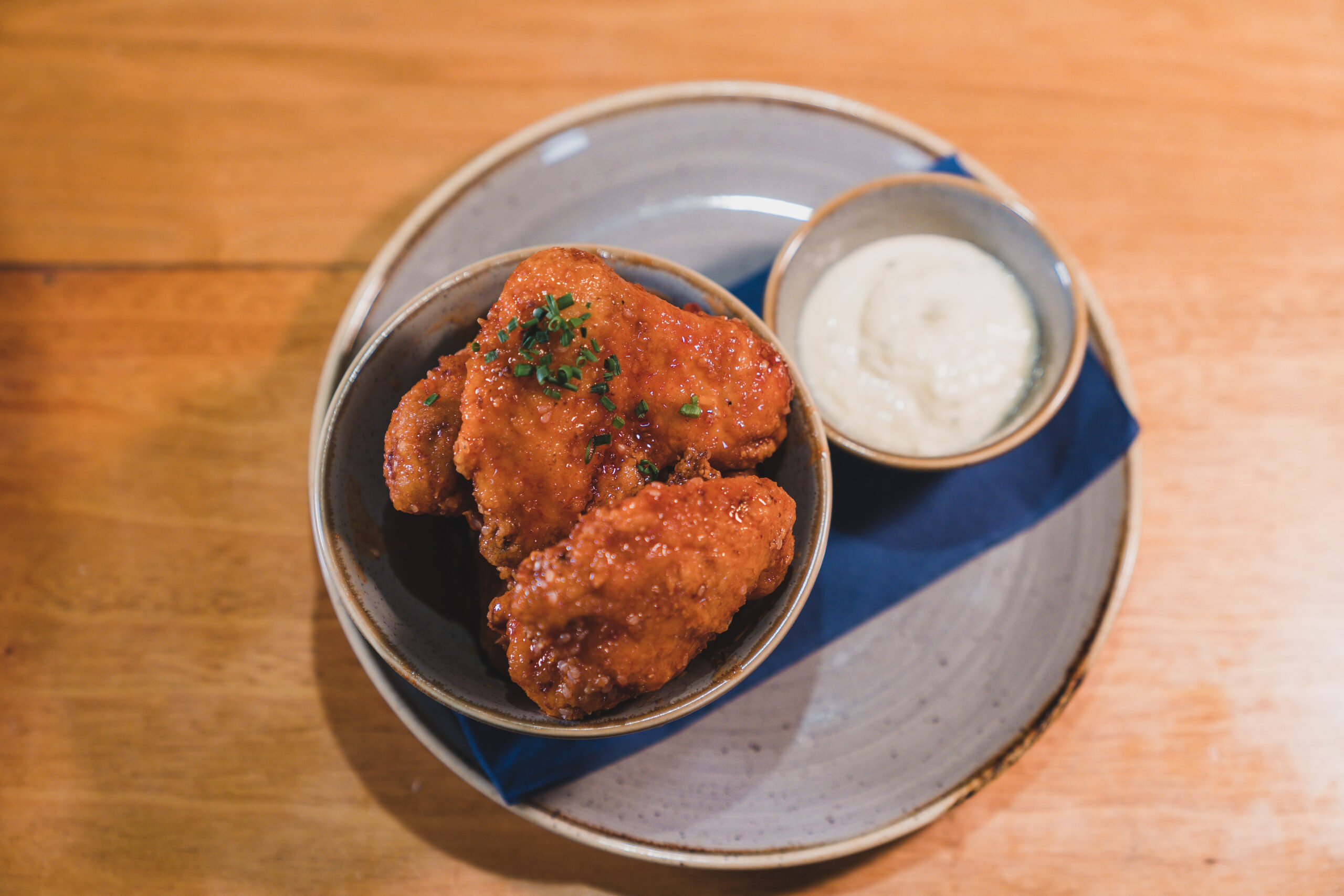
A truly exceptional open fire restaurant doesn’t just grill; it explores the full spectrum of fire cooking. This means moving beyond the obvious and experimenting with diverse techniques that expand the possibilities of the menu. For instance, while a simple grilled steak is delicious, a restaurant might also offer dishes cooked ‘a la plancha’ – on a hot metal griddle over fire – for delicate seafood or vegetables, or use a rotisserie for slow-roasted poultry, ensuring incredibly moist and flavourful results like Signature Firehouse Wings.
Ember cooking, where food is placed directly onto or buried within the hot coals, is another ancient technique seeing a modern resurgence, imparting a unique, earthy char. Smoking, either hot or cold, can be used for everything from cheeses to fish, adding another dimension to the menu. These varied techniques allow for a diverse and exciting range of charcoal grill restaurant menu ideas, ensuring there’s something to tantalise every palate.
Furthermore, innovation is key. While respecting tradition, the best restaurants are constantly pushing boundaries, perhaps using fire to create unexpected desserts, infuse cocktails with smoke, or even bake bread with a distinct wood-fired crust. They understand that the fire is a versatile tool, not just for cooking meat, but for transforming almost any ingredient into something extraordinary. This blend of traditional mastery and creative exploration is what truly defines excellence in the world of open fire dining.
Frequently Asked Questions About Open Fire Cooking Restaurants
What kind of food can you expect at a cooking over fire restaurant?
You can expect a wide variety of dishes, often with a focus on high-quality meats (steaks, ribs, poultry), fresh seafood, and seasonal vegetables. Many restaurants also feature wood-fired pizzas, artisanal breads, and even desserts that benefit from the smoky, caramelised flavours imparted by the flame. The menu will typically highlight the natural flavours of ingredients, enhanced by the cooking method.
Is open fire cooking healthy?
When done correctly, open fire cooking can be a very healthy method. It often requires less added fat than pan-frying, and the intense heat can quickly sear the outside of food, locking in juices and nutrients. However, it’s important to avoid excessive charring, as heavily burnt food can contain harmful compounds. Reputable restaurants manage their fires expertly to achieve delicious char without over-burning.
What’s the difference between wood-fired and charcoal grilling?
Both methods use fire, but the fuel source differs. Wood-fired cooking uses logs or wood chunks, which impart distinct smoky flavours depending on the wood type. Charcoal grilling uses briquettes or lump charcoal, which provide a more consistent, intense heat and a cleaner, less woody smoke flavour. Many restaurants use a combination of both, or specific fuels for different dishes, to achieve desired results.
How do I find the best wood-fired restaurants near me?
Start by searching online review sites, food blogs, and local restaurant guides using terms like ‘wood-fired restaurant [your city]’, ‘open fire dining [your area]’, or ‘charcoal grill restaurant’. Look for establishments with strong reviews, mentions of their cooking techniques, and a focus on quality ingredients. Word-of-mouth recommendations from fellow food enthusiasts are also invaluable.
Conclusion
The journey through the world of open fire cooking reveals a culinary art form that is both ancient and perpetually modern. There’s an undeniable allure to food prepared with the raw power of flame, a method that connects us to our primal instincts while delivering sophisticated, nuanced flavours. From the captivating aromas and sizzling sounds to the rich, smoky tastes and perfectly charred textures, dining at a cooking over fire restaurant is an experience that engages every one of our senses, leaving a lasting impression.
We’ve explored how the unique flavour profiles imparted by smoke and char, coupled with the sensory spectacle of the open kitchen, create a dining event that goes far beyond mere sustenance. We’ve also delved into the critical elements that define excellence in this specialised field: the unwavering commitment to sourcing the finest ingredients, the unparalleled expertise of chefs who are true masters of the flame, the thoughtful selection of wood as a flavouring agent, and the innovative application of diverse open-fire techniques. These factors collectively elevate a meal from good to truly extraordinary, showcasing the profound benefits of open flame cooking in restaurants.
As you seek out your next memorable meal, we wholeheartedly encourage you to discover the magic of a cooking over fire restaurant. Whether you’re searching for the best wood-fired restaurants near me or simply curious about new charcoal grill restaurant menu ideas, prepare to ignite your palate and immerse yourself in a dining experience that is as authentic as it is delicious. It’s a celebration of flavour, craft, and the enduring human connection to fire, promising a meal that will not only satisfy your hunger but also stir your soul.